

To patch test a skincare product, apply a small amount to a discreet area, such as behind the ear or along the jawline, once or twice a day for several days, and watch for redness, itching, burning or bumps. If nothing happens, try it on a small section of your face before using it everywhere. It takes a little patience, but it can save you from a full-face reaction.
Patch testing at home does not replace allergy testing by a doctor or dermatologist, but it is a practical first step when trying any new product, including Beauty of Joseon.
Why patch test?
Even gentle products can cause reactions in some people. Reactions can come from fragrance components, plant extracts, preservatives, bee products like propolis, or simply from a texture that does not suit your skin. Testing one product on a small area means that if something goes wrong, it is limited and easy to trace.
Where to patch test
| Area | Good for | Why |
|---|---|---|
| Behind the ear | Most products | Thin skin, discreet |
| Along the jawline | Facial products | Closer to how facial skin reacts |
| Inner forearm | First check for very reactive people | Easy to observe |
For facial products, many people do a first round behind the ear, then a second round on a small area of the jaw or cheek.
Step-by-step patch test
- Clean the area with water and pat dry.
- Apply a small amount of the product, about the size of a pea or a few drops, to a coin-sized area.
- Use it as you would normally. For a cream, leave it on. For a cleanser, apply, wait the normal contact time, and rinse.
- Repeat once or twice a day for about five to seven days.
- Check daily for redness, itching, swelling, burning or small bumps.
- Move to the face. If all is fine, use the product on one area of your face for a few more days before going full-face.
How to patch test different product types
Serums and moisturizers
Leave-on products like the Glow Serum, Revive Serum or Dynasty Cream are straightforward: apply and leave on, once or twice a day.
Cleansers
Rinse-off products like the Green Plum Refreshing Cleanser or Radiance Cleansing Balm should be applied and rinsed as normal. Leaving a cleanser on unrinsed is not a fair test.
Sunscreens
Apply a sunscreen like Relief Sun to the jawline and leave it on through the day. Test close to (but not in) the eye area too, because some sunscreens sting the eyes.
Exfoliants and retinoids
For the Apricot Blossom Peeling Gel or Revive Eye Serum, mild tingling can occur, but persistent redness, burning or peeling means the product, or that frequency, is too strong for you. Test at your intended frequency, not daily, for exfoliants.
What counts as a reaction?
- Stop immediately: swelling, hives, intense itching, burning, blistering or oozing.
- Probably not right for you: redness that lasts more than a few hours, persistent itch, or a rash of small bumps.
- Possibly normal: a brief tingle that fades within a minute or two, especially with exfoliants or vitamin C.
If you have swelling of the lips, eyes or face, or difficulty breathing, seek urgent medical care.
Delayed reactions and breakouts
Some reactions appear after several days. Breakouts are harder to judge, because they can be caused by many factors including stress, hormones and diet. If you notice breakouts in the area where you tested a new product, pause it and see if things settle.
Tips for sensitive skin
- Test only one new product at a time.
- Wait at least a week between new products.
- Start with products that have a short ingredient list where possible.
- Keep a simple diary of what you use and what you notice.
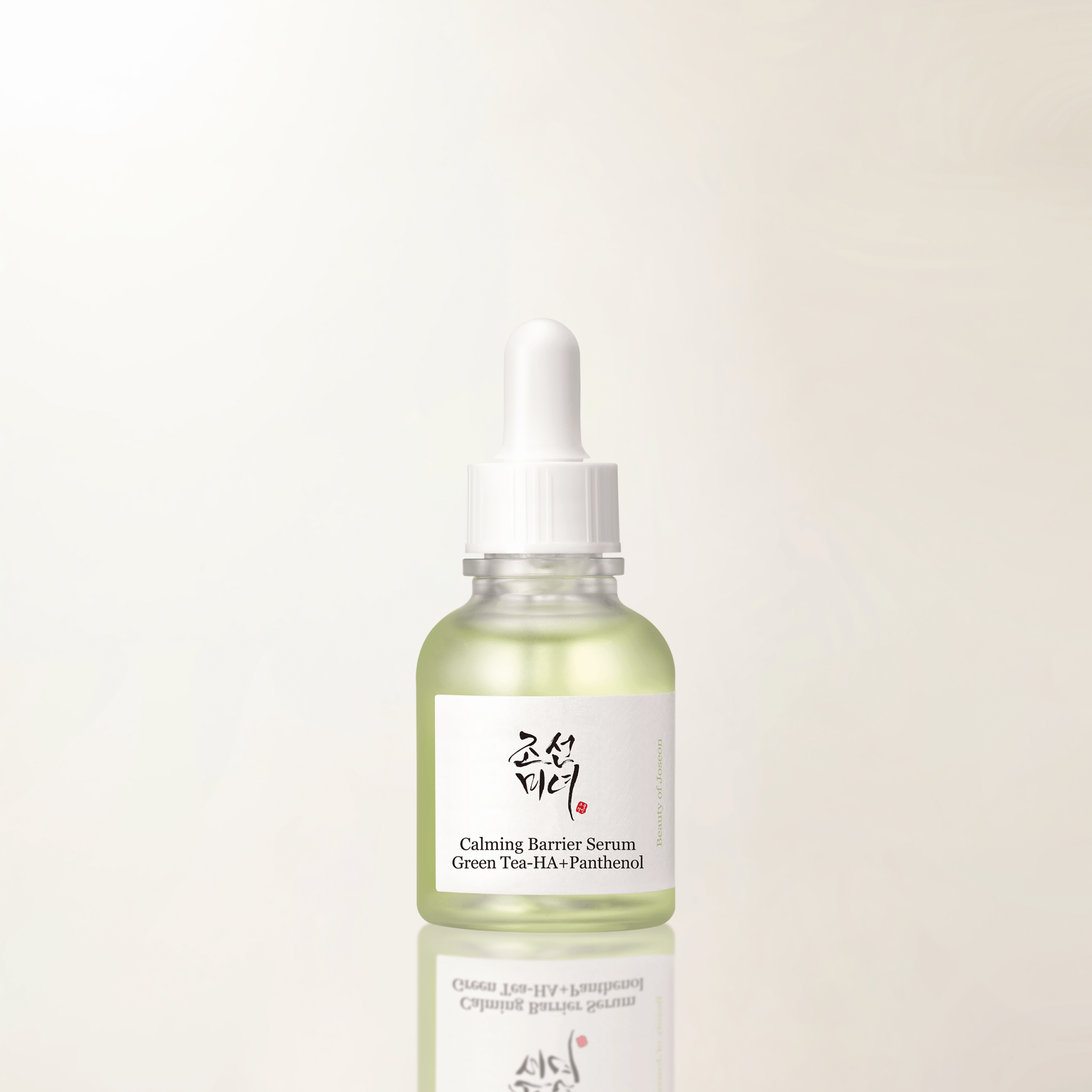
Our sensitive skin routine and the Calming Barrier Serum are good starting points if your skin reacts easily.
Patch testing is not a guarantee
A product that passes a patch test can still bother your face, which may be more sensitive than behind your ear. Continue introducing it gradually and listen to your skin.
Keep a simple skincare diary
A short note on your phone can make patch testing far more useful. Record the product, the date you started, where you applied it and anything you noticed each day. If a reaction appears later, you will know exactly what changed.
Where to buy in Canada
Once a product passes your patch test, find details and current Canadian buying options on our product pages, such as Calming Barrier Serum, Relief Sun and Glow Serum. For ingredient background, see our hanbang ingredients guide.
FAQ
How long should a patch test last?
About five to seven days of repeated application gives a reasonable picture for most products.
Can I patch test several products at once?
It is better to test one at a time, or on clearly separate areas, so you know which one caused a reaction.
Do I need to patch test a sunscreen?
Yes. Sunscreens are leave-on products and can cause reactions or eye stinging in some people.
What should I do if I react?
Rinse the area with water, stop using the product, and apply a simple moisturizer you already tolerate. See a doctor or pharmacist for severe or persistent reactions.