
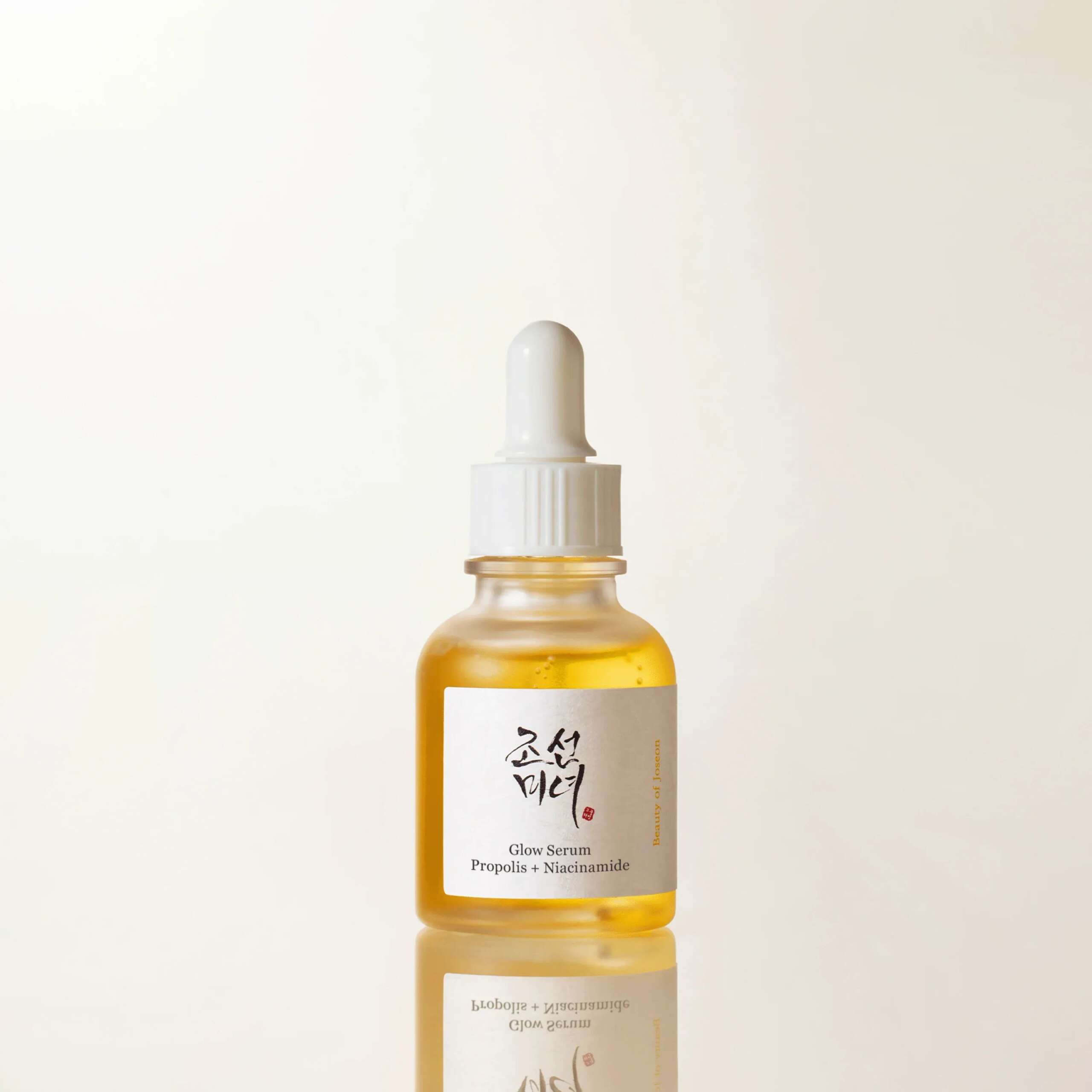

Short answer: Beauty of Joseon describes itself as a cruelty-free brand that does not test its finished products on animals, but the line is not 100% vegan. Several popular formulas use ingredients that come from animals, such as propolis (made by bees) and snail mucin. If you follow a strict vegan routine, you will need to check each product individually rather than assume the whole brand fits.
This guide explains what “cruelty-free” and “vegan” actually mean on a skincare label, which Beauty of Joseon products contain animal-derived ingredients, and how to double-check claims before you buy in Canada.
Cruelty-free vs vegan: two different promises
These two words are often used as if they mean the same thing, but they answer different questions.
- Cruelty-free is about testing. It means the product and, ideally, its ingredients were not tested on animals at any stage.
- Vegan is about ingredients. It means the formula contains no ingredients sourced from animals, such as honey, beeswax, propolis, lanolin, carmine, collagen or snail secretion.
A product can be cruelty-free but not vegan (for example, a serum with propolis that was never tested on animals). It can also, in theory, be vegan but not cruelty-free. That is why it helps to look at both questions separately.
What Beauty of Joseon says about animal testing
Beauty of Joseon is a Korean brand, and its products are made in South Korea. The brand publicly states that it does not conduct animal testing. Brand policies and third-party certifications can change over time, so the most reliable approach is to check the brand’s current official statement and the packaging of the exact product you are buying.
If certification matters to you, look for a recognised cruelty-free logo on the box or on the brand’s official channels, and remember that a logo applies to what is listed by the certifying organisation, not automatically to every future launch.
Which Beauty of Joseon products are not vegan?
Based on the hero ingredients in their names, these formulas include animal-derived ingredients:
| Product | Animal-derived ingredient | Vegan? |
|---|---|---|
| Glow Serum: Propolis + Niacinamide | Propolis (from bees) | No |
| Revive Serum: Ginseng + Snail Mucin | Snail secretion filtrate | No |
| Products containing honey | Honey (from bees) | No |
Many other products in the line are built around plant ingredients such as rice, ginseng, green tea, centella, green plum and red bean. That does not automatically make them vegan, because a formula can include minor animal-derived ingredients further down the list. Always read the full INCI (ingredient) list.
Plant-forward picks to check first
If you want to start with products whose key ingredients are botanical, these are good candidates to review on the label:
- Calming Barrier Serum: Green Tea + Panthenol for a soothing, hydrating serum step.
- Light On Serum: Centella + Vitamin C for a brightening step.
- Glow Deep Serum: Rice + Alpha-Arbutin for uneven tone.
- Relief Sun: Rice SPF50+ for daily sun protection.
- Red Bean Water Gel as a light moisturizer.
How to check a product label in 3 steps
- Find the full ingredient list. It is printed on the box or the back of the bottle and is usually also shown on product pages.
- Scan for common animal-derived names. Look for propolis, honey (mel), beeswax (cera alba), snail secretion filtrate, lanolin, collagen, carmine (CI 75470), squalene from shark sources, and milk-derived ingredients.
- Confirm the testing policy. Check the brand’s official statement or a recognised certification for the product you hold, not an old blog post or a screenshot.
Why propolis and snail mucin are used
Brands include these ingredients for texture and skin-feel reasons. Propolis gives the Glow Serum its slightly sticky, honey-like texture and is used in many Korean skincare products for a hydrating, comforting feel. Snail mucin is popular because it gives a slippery, bouncy texture that many people find hydrating. If you avoid them for ethical reasons, a serum based on green tea and panthenol or on rice extract can play a similar hydrating role in a routine.
Building a vegan-leaning Beauty of Joseon routine
Here is a simple example routine using products whose headline ingredients are plant-based. Check each label to confirm it meets your personal standard.
- Cleanse: Green Plum Refreshing Cleanser in the morning or as a second cleanse at night.
- Treat: Calming Barrier Serum or Glow Deep Serum.
- Moisturize: Red Bean Water Gel for oily skin, or a richer cream if you are dry.
- Protect (AM): Relief Sun as the last step.
For more help choosing by skin type, see our routine for oily vs dry skin and our guide to the best products by skin concern.
Where to buy in Canada
Buying from reputable sellers matters for both safety and ethics, because counterfeit products have no reliable ingredient list at all. Browse our product pages, such as Glow Serum, Calming Barrier Serum and Relief Sun, to see the full details and current Canadian buying options. Our guide on how to tell if Beauty of Joseon is legit explains how to avoid fakes.
FAQ
Is Beauty of Joseon tested on animals?
The brand states that it does not test on animals. Check the current official statement or certification for the specific product you are buying, since policies can be updated.
Is the Beauty of Joseon Glow Serum vegan?
No. Its hero ingredient, propolis, is produced by bees, so it is not considered vegan.
Is Relief Sun vegan?
Its key ingredients are rice extract and grain ferments, which are not animal-derived. Read the full ingredient list on your tube to confirm it meets your standard, because formulas can be updated.
Does cruelty-free mean the product is natural or safer?
No. Cruelty-free only describes animal testing. It says nothing about whether a product suits your skin, so patch testing is still a good idea.