
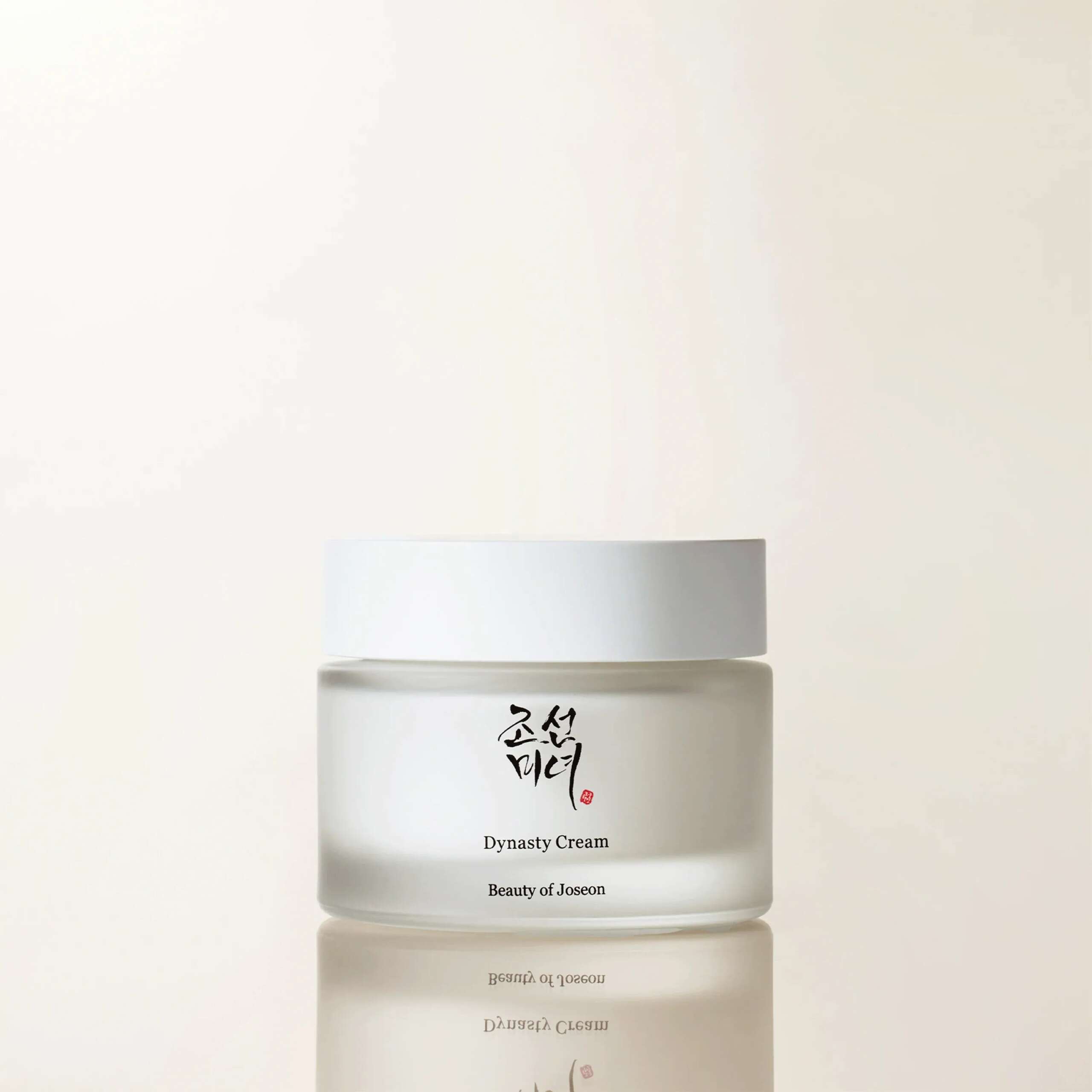

Hanbang refers to traditional Korean herbal medicine and the beauty practices inspired by it. In skincare, the term is used for products that draw on ingredients historically valued in Korea, such as rice, ginseng and green plum, often combined with modern actives like niacinamide or retinal. Beauty of Joseon builds its whole identity around this mix of heritage-inspired ingredients and contemporary formulation.
This guide explains the main ingredients you will see across the Beauty of Joseon line, what they are, and how they are typically used. It is an educational overview, not medical advice.
What “hanbang” means in skincare today
Modern hanbang skincare does not mean old recipes made in a kitchen. It refers to cosmetic products that feature traditional plant and natural ingredients, formulated and manufactured to today’s standards. The appeal is a sense of heritage, comforting textures and familiar ingredients, alongside proven modern ones.
Key ingredients in the Beauty of Joseon line
| Ingredient | Where you find it | Typical role in skincare |
|---|---|---|
| Rice | Relief Sun, Glow Deep Serum, Dynasty Cream | Softening, conditioning, brightening look |
| Ginseng | Revive Serum, Ginseng Essence Water, Revive Eye Serum | Comforting, revitalising feel |
| Propolis | Glow Serum | Hydrating, comforting texture |
| Green plum | Green Plum Refreshing Cleanser | Fresh, clarifying feel |
| Red bean | Red Bean Water Gel | Light, balancing feel for oily skin |
| Green tea | Calming Barrier Serum | Antioxidant role, soothing feel |
| Mugwort | Matte Sun Stick | Soothing feel |
| Apricot blossom | Apricot Blossom Peeling Gel | Part of a gentle exfoliating gel |
Rice
Rice has a long history in East Asian beauty rituals; rice water was traditionally used for washing. In skincare, rice extracts, rice bran and rice ferments are used to condition skin and support a soft, even-looking complexion. Rice appears throughout Beauty of Joseon, from sunscreen to cream.
Ginseng
Ginseng is one of Korea’s most famous plants and is deeply tied to traditional herbal practice. In skincare it is associated with a revitalised, healthy look and a comforting feel. It is a hero ingredient in the Revive range and the Ginseng Essence Water. It is also found in the Ginseng Cleansing Oil.
Propolis
Propolis is a resin-like material that bees make from plant sources. It gives the Glow Serum its golden colour and honey-like texture, and is popular in Korean skincare for hydration and comfort. Because it comes from bees, it is not vegan; see our cruelty-free and vegan guide. People with bee product allergies should be cautious.
Green plum
Green plum (maesil) is a fruit widely used in Korean food and drinks. In skincare it is linked to a fresh, clarifying feel, which is why it fits a cleanser.
Red bean
Red bean has historically been used as a powder for washing in Korea. Today it appears in products aimed at oily and combination skin, such as the Red Bean Water Gel.
Green tea
Green tea is known for its antioxidant compounds and is widely used in Korean skincare for a soothing, refreshing feel.
Mugwort
Mugwort (ssuk) is a herb that features in Korean tradition and is popular in modern K-beauty for its soothing reputation.
Modern actives paired with hanbang ingredients
Beauty of Joseon combines these heritage ingredients with well-known modern actives:
- Niacinamide (in Glow Serum): a versatile vitamin B3 derivative.
- Alpha-arbutin (in Glow Deep Serum): used for a more even-looking tone.
- Vitamin C (in Light On Serum): an antioxidant used for brightness.
- Retinal (in Revive Eye Serum): a retinoid for the eye area.
- Panthenol (in Calming Barrier Serum and Relief Sun Aqua-Fresh): a hydrating, soothing ingredient.
- Snail mucin (in Revive Serum): a hydrating, bouncy texture ingredient.
Natural does not mean risk-free
Plant and natural ingredients can still cause reactions in some people. Allergies to bee products, botanical extracts or fragrance components are possible. Always patch test new products (see our patch test guide) and read the full ingredient list.
How to read a hanbang-inspired label
Product names highlight hero ingredients, but the full ingredient list tells the whole story. Ingredients are listed roughly in descending order of concentration for those above a certain level, so an extract near the end of the list is present in a small amount. Look for the hero ingredient’s INCI name, for example “Oryza Sativa” for rice or “Panax Ginseng” for ginseng, to see where it sits in the list.
It also helps to separate marketing language from function. Words like “royal”, “dynasty” or “traditional” describe the brand’s story and inspiration. How a product performs for you depends on the whole formula, its texture, and how it fits your routine.
Where to buy in Canada
Explore the ingredients in action on our product pages, including Dynasty Cream, Glow Serum and Revive Serum, each with details and current Canadian buying options. For product picks, see our best products by skin concern.
FAQ
Is hanbang skincare the same as natural skincare?
Not exactly. Hanbang refers to Korean herbal tradition. Modern hanbang products usually combine traditional ingredients with standard cosmetic ingredients and modern actives.
Is Beauty of Joseon a hanbang brand?
The brand draws heavily on hanbang-inspired ingredients and Joseon-era heritage in its concept, combined with modern formulation.
Are hanbang ingredients good for sensitive skin?
Some are known for a soothing feel, but sensitivity is individual. Patch test before full use.
Why is ginseng used in skincare?
Ginseng is closely tied to Korean tradition and is used in skincare for a revitalised look and comforting feel.